03 / Live · 8 CEU hours · PTs, PTAs, ATCs, DCs

Strength & Conditioning for PTs.

Training high-level athletes past basic rehab. Program design, load management, and the gym tools most clinicians were never taught: barbells, plyometrics, isometrics.

Dates & Registration All Courses
01 / The course

What you leave able to do.

Rehab ends where most clinical training ends: at the point where the athlete can tolerate load and needs to be trained. This course covers the stretch between the end of the protocol and a full return: testing that tells you where they are, program design that gets them stronger without setting them back, and the barbell, plyometric and isometric tools to do it.

More than half the day is on the floor. You test, you coach the lifts, and you write and defend a training week for a real case.

You leave able to
  • Test strength, power and capacity in the clinic and read the numbers against the athlete’s sport
  • Write a training week for an athlete past protocol: exercise selection, sets, reps, intensity, progression
  • Coach the main barbell lifts and the regressions clinicians actually use
  • Use isometrics and plyometrics with a purpose, dosed and progressed
  • Manage load across the week and the season, and know when to pull back
Who it is for
  • PTs and PTAs who get athletes past protocol and into training
  • Athletic trainers running the return-to-play phase
  • Chiropractors and clinicians who train athletes
  • Clinics adding a performance phase to rehab
the gym is the last phase of rehab. treat it like one.
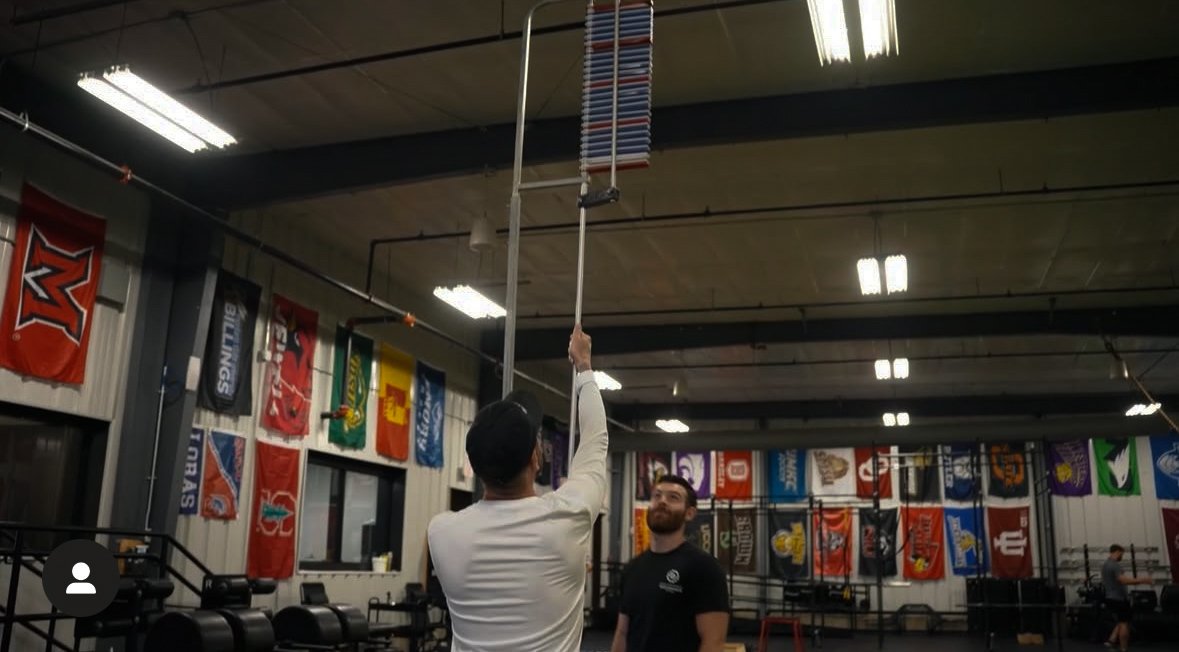
A vertical jump test in a performance gym
02 / The day

Eight contact hours.
More than half of them lab.

Lecture sets up each skill, then you do it on a partner and get checked off. Breaks and lunch are not counted toward contact hours.

8:00–8:45Module 1 · LectureWhere rehab ends and training begins: the gap, what the athlete needs, the clinician’s role
8:45–9:30Module 2 · LectureTesting: the strength, power and capacity measures that matter, and what the numbers mean
9:30–10:00Lab 1Run the test battery on a partner and interpret it
10:00–10:15Break
10:15–11:00Module 3 · LectureProgram design for the post-rehab athlete: exercise selection, sets, reps, intensity, progression
11:00–11:45Lab 2 · Check-offThe barbell lifts: squat, hinge, press, pull; coaching cues and the regressions
11:45–12:30Lunch
12:30–1:15Module 4 · LectureIsometrics and plyometrics: why, when, and how much
1:15–2:00Lab 3Isometric and plyometric progressions on the floor
2:00–2:45Module 5 · LectureLoad management: the week, the season, monitoring, and when to pull back
2:45–3:00Break
3:00–3:30Lab 4Write a training week for a standardized case and defend it
3:30–4:15Module 6 · LectureSport demands and the handoff to the strength coach
4:15–4:45Lab 5Coach a session: partners run the plan, the instructor coaches the coaches
4:45–5:15Module 7 · AssessmentDocumentation, the Monday plan, written assessment and skills check-off review
Included

The course day, the slides and summary sheets in your portal account, a certificate of completion with the contact hours, and your CEU record.

CEU credit

Whether the hours count depends on your profession and your state. We tell you where it counts before you register, and give you what you need to self-report where that is allowed.

Bring

Clothes you can train in. Cuffs, pumps and equipment are provided. No BFR experience is needed.

Changes

Transfer your seat to another person or date, or cancel, at no charge up to 14 days before. The full terms.

03 / Dates and registration

Pick a date.
Register in two minutes.

Every course runs at a host clinic or facility. Registration is handled by Stripe; you get a confirmation from us and a receipt from them.

$450 a seat · all materials included

No dates scheduled yet.
New dates and cities are posted here first. Ask to be told when one opens, or bring the course to your facility.
Host It

Registering for someone else, or several seats? Email joey@sidelinemethod.com.